

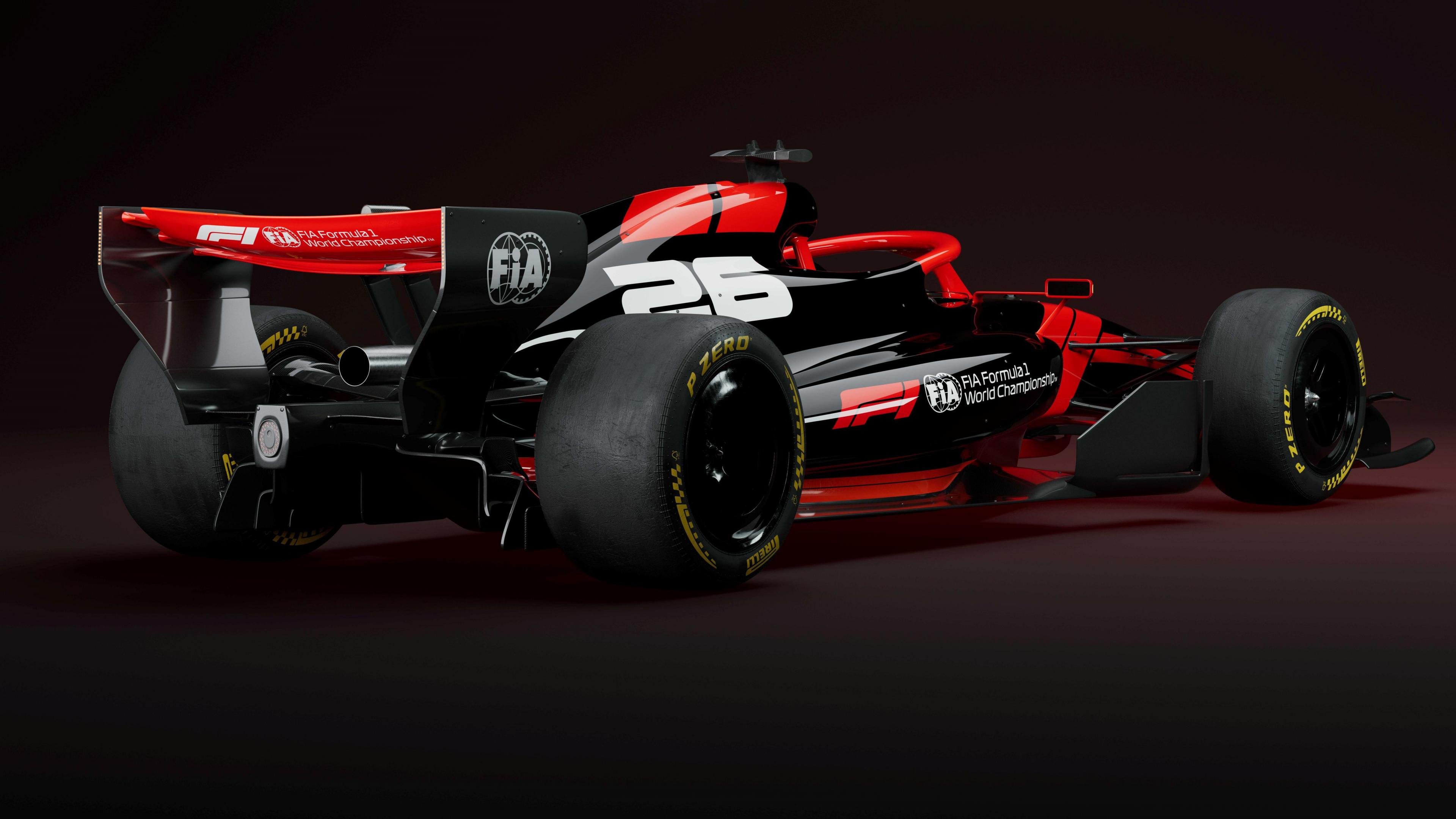
The 2026 Formula 1 cars are designed to be lighter, more agile and sustainable than this year.
Formula 1 has unveiled the simplified terminology that will be used to explain the advanced features of its new 2026 technical rules.
The sport is introducing what is potentially the most significant technical shift in its illustrious history starting in 2026, featuring fresh chassis and power unit regulations and the mandatory use of fully sustainable fuels.
The new power units, which maintain the hybrid V6 layout, boast a significantly increased energy storage, requiring key advancements in the vehicles' aerodynamic design.
Throughout races, pilots will tactically deploy battery power – sometimes even hot laps – to extract the optimal result.
Wide-ranging research were undertaken with a mix of viewers, including long-time followers and newcomers, to determine which terms would make things clearer of the key features of the 2026 changes.
The primary aim was to present a series of complex technical aspects of the sport as straightforward as possible for the global fanbase.
Consequently, older technical labels for some systems – such as "alphabetical mode names" for the adjustable aero – have been discarded in preference for descriptive names that directly explain the primary purpose of the system.
Key Technical Innovations
According to rule-makers that competitors will have more power to choose strategies regarding energy deployment, regeneration, and efficiency.
The new regulations feature a series of modes that will be shown on television graphics to enhance the viewers' comprehension of the strategic duel.
- Overtake Mode: This takes over from the present overtaking aid. It provides a burst of extra electrical energy available when a competitor is close behind the leading car to facilitate an overtake.
- Power Mode: This is a on-demand energy deployment from the ERS that can be deployed for offensive or defensive moves. It provides the pilot full engine and battery energy at the activation of a control.
Both of these crucial modes will have to be deployed strategically, as the available electrical charge is restricted.
- Active Aero: Both the car's wings move automatically – opening on the high-speed sections for low aerodynamic resistance and top speed, and sealing in the corners for optimal cornering performance.
- Recharge: Drivers can replenish their battery with power recovered from braking, or during partial power application at the end of straights or in sections where only partial power is required.
2026 Car Specifications
The 2026 cars will be smaller and lighter than this year, with a car length reduced by 200mm to 3,400mm, car width cut by 100mm – down to 1,900mm – and the lowest permissible weight decreased by 30kg.
Total aerodynamic grip is anticipated to be reduced by approximately a significant margin, although constructors will undoubtedly recover some as they refine their designs.
Air resistance has been cut by 40%. The cars will employ moveable wing elements – front and rear wings will adjust on the straights to reduce drag and increase straightline speed and click back into place for maximum cornering performance.
Tyres will retain 18-inch rims, but the actual tyres will be narrower, by 25 millimetres on the front axle and three centimetres on the rear.
What's Changing in the Engines?
The 2026 engines will have an near-equal balance in power produced by the internal combustion engine and the electrical system, increasing from about one-fifth electric power under present rules.
The energy recovery system is made less complex through the removal of the complex turbo energy recovery device, the complicated and costly unit that harvested power from the exhaust turbo.
All vehicles will be required to run on 100% sustainable fuel, created from organic sources or synthetic industrial processes.


